The internet of things (IoT) term has been floating around for a while now, but what does it mean? IoT is the ever-growing network of physical objects connected to the internet. These objects include anything from cars and refrigerators to wearable technology and home appliances. The potential for IoT is enormous, and businesses that start preparing for it later will be left behind.
This post will discuss some of the key benefits of IoT and what you need to know to take advantage of it – like how NCS uses technology for applications, infrastructure, engineering, and telecommunications to impact lives for innovation and advance in communities.
The Internet of Things: Overview
The IoT is an emerging technology that connects physical devices to the Internet, such as sensors, actuators, and other embedded systems. It enables these devices to communicate with each other and exchange data over a network, allowing for unprecedented levels of automation and control. IoT can be used in many applications, from home automation to industrial process control.
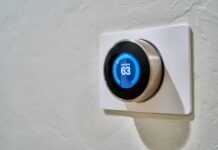
For example, Smart Homes are becoming increasingly popular. They use IoT-enabled devices such as motion sensors, door locks, security cameras, and thermostats to provide automated control over home appliances. Smart homes can be programmed to dim lights at night or adjust temperatures in different rooms based on occupancy. Smart homes also offer enhanced security features, including automatic alerts for potential intrusions and the ability to monitor a house remotely. Smart homes can even be integrated with voice-activated personal assistants such as Amazon Alexa or Google Home, allowing users to control their devices using simple voice commands.
The Importance of the Internet of Things
The Internet of Things improves efficiency, reduces costs, and enables automation. For example, IoT can monitor and manage energy consumption in a home or office, helping to save money on energy bills. IoT can also automate tasks such as controlling lighting and temperature in a building, meaning fewer manual operations are needed, which saves money.
IoT can also help to improve safety measures by allowing for automated alerts or notifications when something out of the ordinary is detected. For example, a connected home security system can alert homeowners if an intruder is in their house. Additionally, IoT can optimize traffic routes and reduce congestion on roads, making it easier to get from one place to another. Ultimately, the internet of things has the potential to make our lives safer, easier, and more efficient.
The Internet of Things also benefits everyday life, businesses and companies, and transforming industries in society.
Advantages in Everyday Life
The Internet of Things provides numerous benefits to everyday life. It minimized human effort, increased inconvenience, improved safety, enhanced healthcare, and provided real-time data.
Minimized Human Effort
IoT devices can program to perform specific tasks at a set time, making it easier for people to manage their daily lives. For example, connected devices can switch on lights when someone walks into a room or adjust the temperature in their home before they arrive. It reduces the amount of manual effort needed and saves time.
Increased Convenience
IoT devices also provide increased convenience by providing access to information on demand. People can use connected devices to access weather forecasts or traffic updates or even order products online with just a few clicks of a button. It makes everyday life more efficient and convenient.
Improved Safety
IoT devices offer improved safety by allowing for more accurate and timely alerts. For example, connected home security systems can alert homeowners if an intruder is in their house, allowing them to take action quickly. Automated safety protocols can also be monitored remotely, making it easier to maintain safety standards.
Enhanced Healthcare
IoT devices can help monitor people’s health and provide real-time data to healthcare professionals. Wearable devices such as fitness trackers can monitor physical activity levels and alert users if an abnormality in their bodies is detected. It helps to diagnose medical conditions more quickly and accurately, making it easier for people to receive the appropriate treatment.
Provided Real-Time Data
IoT devices can provide real-time data on various topics, including energy consumption, traffic patterns, or weather conditions. This data can make informed decisions and help improve efficiency in everyday life. For example, real-time energy consumption data can help people identify ways to reduce their electricity bills or alert them when power usage is abnormally high.
Benefits to Businesses and Companies
The Internet of Things can also benefit businesses and companies through increased automation, efficiency, and productivity, reduced business cost, better decision-making, improved customer experience, and enhanced safety and security.
Increased Automation, Efficiency, and Productivity
IoT devices can automate mundane tasks, allowing businesses and companies to focus on more important activities. For example, connected machines can perform specific tasks simultaneously, requiring fewer manual operations. It saves time and money and increases efficiency in the workplace.
Reduced Business Costs
IoT-enabled devices can help reduce business costs by reducing manual labor and eliminating the need for physical infrastructure such as servers or data storage devices. Additionally, IoT can monitor energy consumption and improve efficiency, resulting in lower electricity bills.
Better Decision Making
IoT devices give businesses access to real-time data on various topics, allowing them to make informed decisions quickly and accurately. This data can identify trends in customer behavior, forecast market demand, or optimize production processes, making it easier for businesses to stay competitive in their industry.
Improved Customer Experience
IoT-enabled devices can help businesses provide a better customer experience by collecting user behavior and preferences data. This data can personalize products or services, resulting in a more tailored customer experience.
Enhanced Safety and Security
IoT devices can help businesses monitor safety protocols, detect suspicious activities and protect sensitive information from potential threats. Additionally, connected sensors can monitor the environment, making it easier to see hazardous materials and take preventative measures.
Transforming Industries in Society
The Internet of Things can potentially transform various industries in society. These industries include healthcare, manufacturing, transportation, retail, and smart city.

Healthcare
IoT devices can help improve the quality of healthcare services by providing real-time data and monitoring patient health. Wearable sensors can monitor vital signs such as heart rate, temperature, and blood pressure, allowing healthcare professionals to diagnose conditions more quickly and accurately. Additionally, connected medical devices such as pacemakers and insulin pumps can be remotely monitored and adjusted to improve patient outcomes.
Manufacturing
The Internet of Things can enhance manufacturing processes by streamlining operations, improving efficiency, and reducing downtime. Connected sensors can monitor factory conditions in real-time, allowing manufacturers to identify potential problems quickly and prevent them from becoming costly disasters. Additionally, connected machines can automate mundane tasks and reduce the need for manual labor.
Transportation
IoT-enabled devices can help improve road safety and efficiency by collecting data on traffic conditions, mapping out routes, and monitoring vehicle performance. Additionally, connected vehicles can communicate with each other to anticipate potential hazards and reduce the risk of accidents.
Retail
IoT-enabled devices can help improve customer experience by tracking shoppers’ behavior, personalizing products, and services, and providing real-time assistance. Additionally, connected sensors can track inventory levels and automate restocking processes, making it easier for retailers to keep shelves stocked with the items shoppers need.
Smart City
The Internet of Things can help create smarter cities by connecting people, services, and devices. Connected sensors can monitor air quality, traffic conditions, and energy usage, allowing cities to identify potential problems quickly and take action to improve the quality of life for citizens. Additionally, IoT-enabled devices can automate mundane tasks such as street light control and waste management, making it easier for cities to save time and money.
The Bottom Line
The Internet of Things has the potential to revolutionize how we live, work, and play. It can help reduce costs, improve efficiency, and enable automated control of devices. IoT-enabled smart homes are becoming increasingly popular for their enhanced security features and convenience. Businesses should start preparing for the impact of the Internet of Things now to stay ahead of the curve. With its vast potential, IoT will surely be a game changer in the coming years.